Optimal Timing for Foundation Repairs
Determining the optimal time for foundation repairs depends on several environmental and structural factors. Weather conditions, soil stability, and the severity of foundation issues influence the timing of repairs. Typically, mild and dry seasons provide ideal conditions for effective and safe repair work, minimizing the risk of complications caused by excessive moisture or extreme temperatures.
Spring and fall often offer the most favorable weather for foundation repairs due to moderate temperatures and lower precipitation levels.
Dry soil conditions are preferable for repairs, as saturated soil can cause shifting and complicate stabilization efforts.
Addressing foundation issues early, before they worsen, can prevent more extensive damage and higher repair costs.
Avoiding repairs during extreme weather events like heavy rain or freezing temperatures helps ensure the longevity of the repair work.
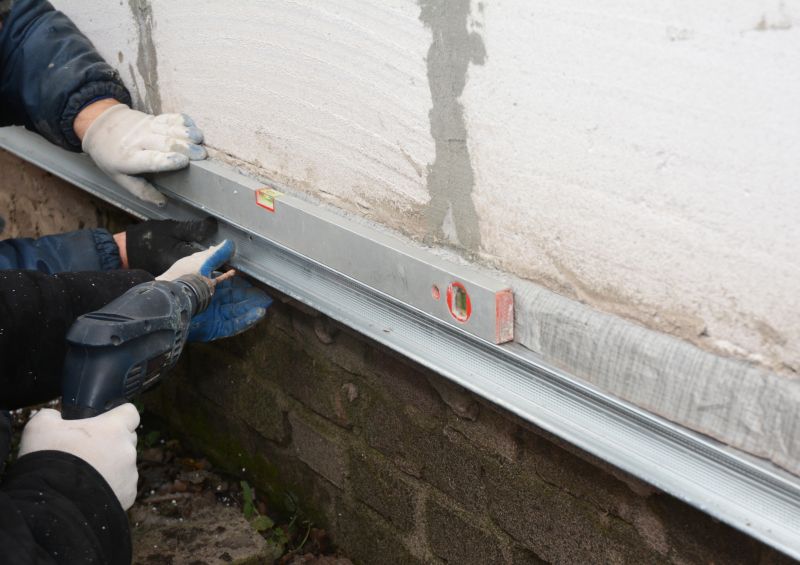
Visual documentation of foundation stabilization methods.
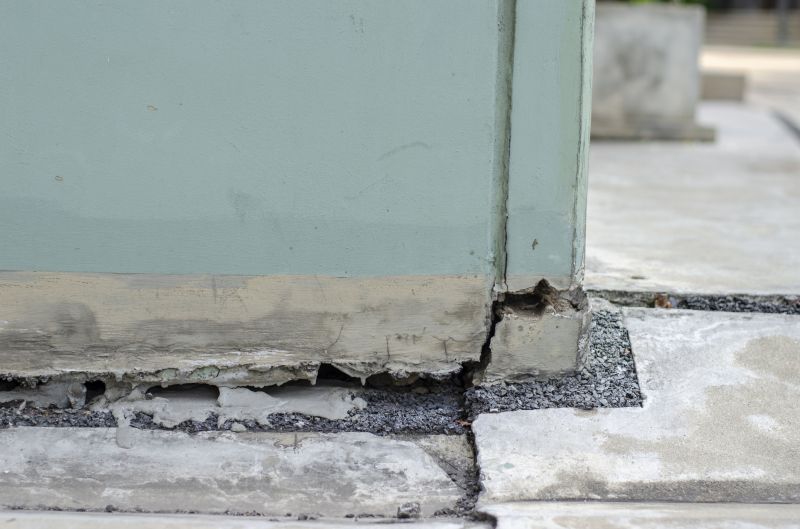
Common signs indicating the need for repairs.
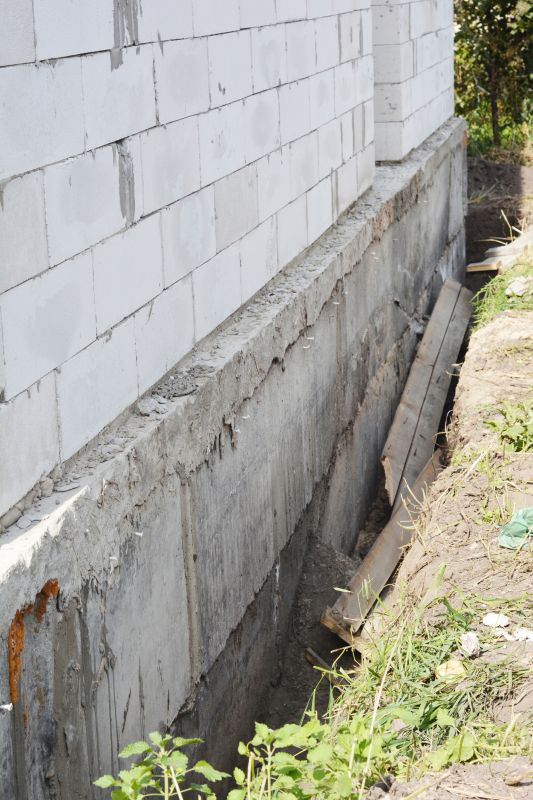
Techniques used to improve soil conditions before repairs.
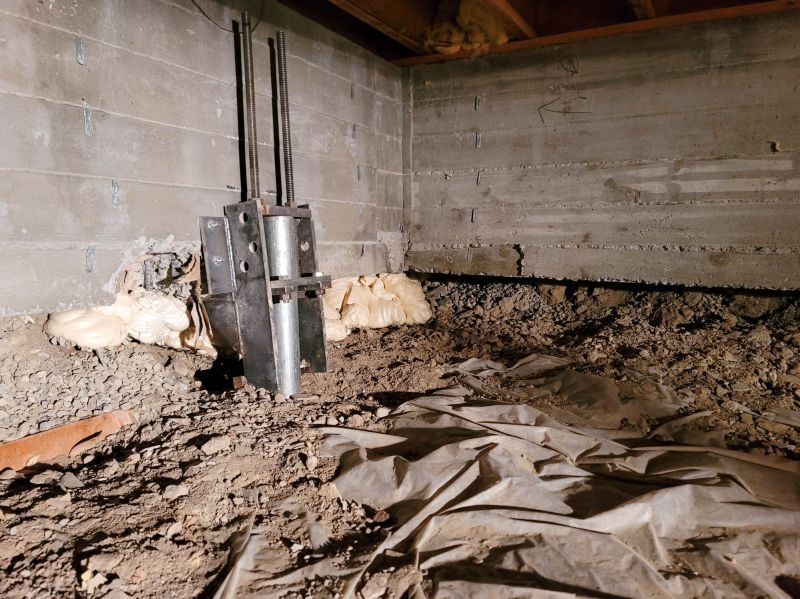
Supporting and lifting sunken foundations.
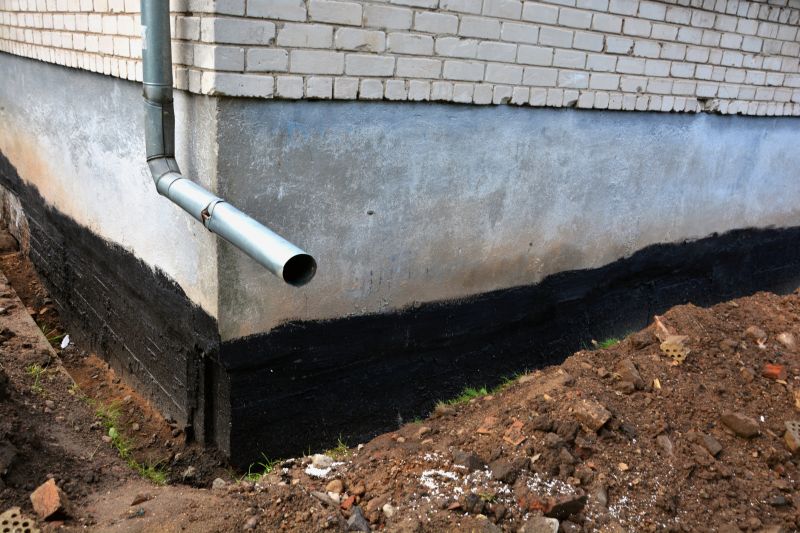
Proper water management to prevent future issues.
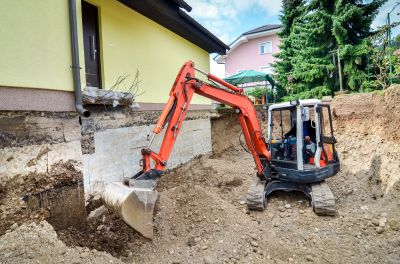
Tools and machinery used in foundation repair.
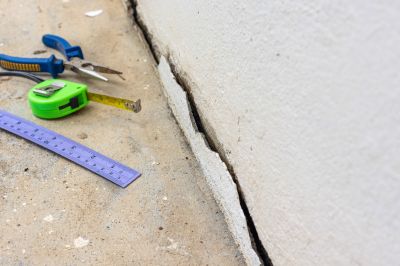
Visual comparison of repair results.
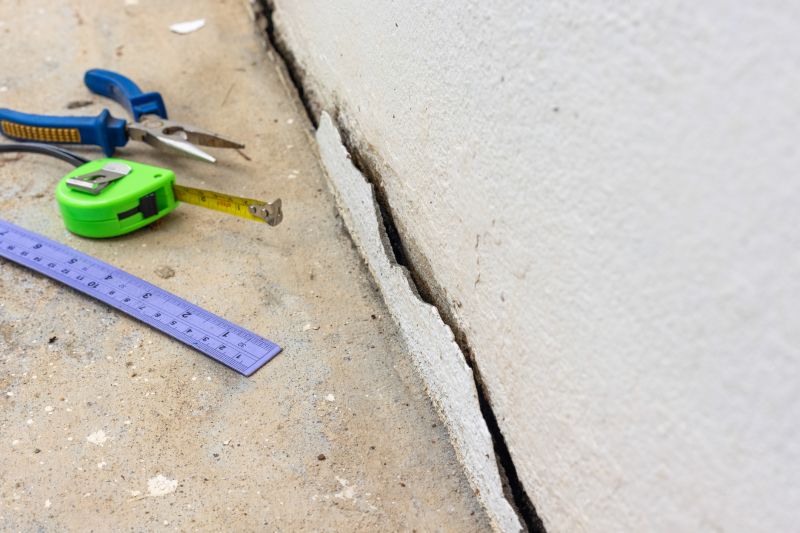
Assessing foundation health through professional evaluation.
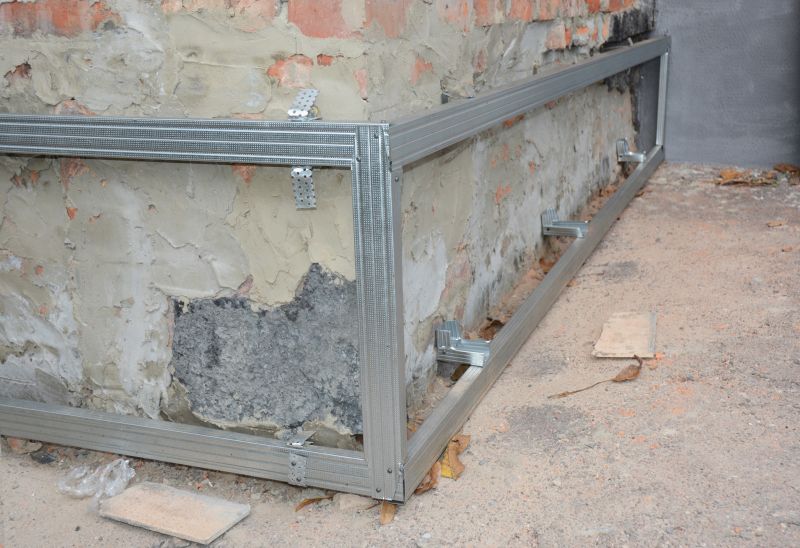
Reinforcement techniques for damaged foundations.
| Aspect | Details |
|---|---|
| Weather Conditions | Optimal repairs are performed during dry, mild weather to ensure stability. |
| Soil Moisture | Dry soil provides better conditions for foundation stabilization. |
| Temperature | Moderate temperatures prevent materials from freezing or overheating during repairs. |
| Severity of Damage | More extensive issues may require scheduling during optimal seasons for better access and safety. |
| Inspection Frequency | Regular assessments after seasonal changes can help plan timely repairs. |
| Construction Scheduling | Planning repairs during off-peak seasons can reduce delays and costs. |
| Material Curing | Proper curing of repair materials depends on suitable weather conditions. |
| Water Management | Ensuring proper drainage before and after repairs prevents future damage. |
Foundation repairs are essential for maintaining the stability and safety of a structure. They address issues such as cracks, settling, and shifting that can compromise the integrity of a building. Timely repairs can prevent more extensive damage, reduce long-term costs, and extend the lifespan of the property. Various techniques, including piering, underpinning, and soil stabilization, are employed based on the specific needs of the foundation and surrounding soil conditions. Regular inspections and early intervention are key to effective foundation management.
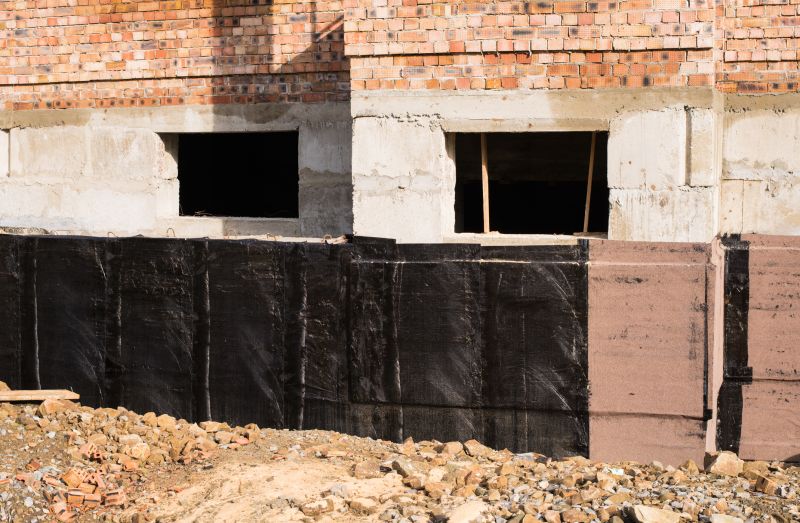
A professional repair in progress.
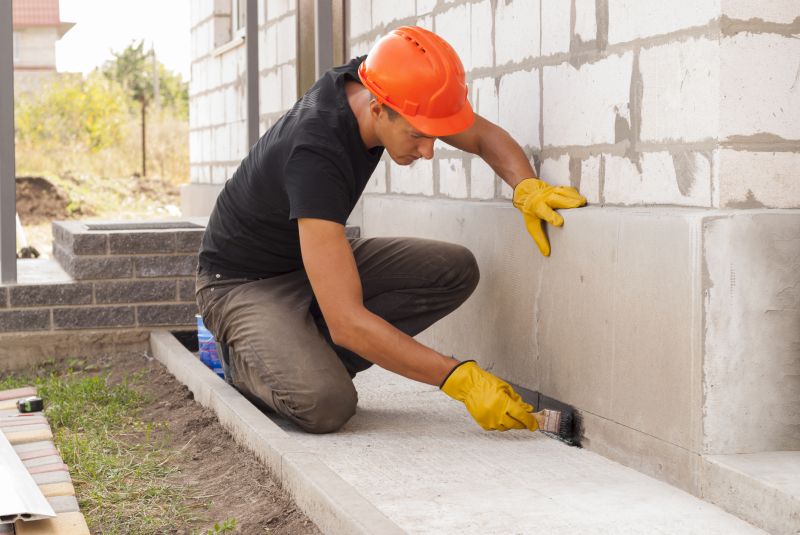
Sealing and stabilizing foundation cracks.
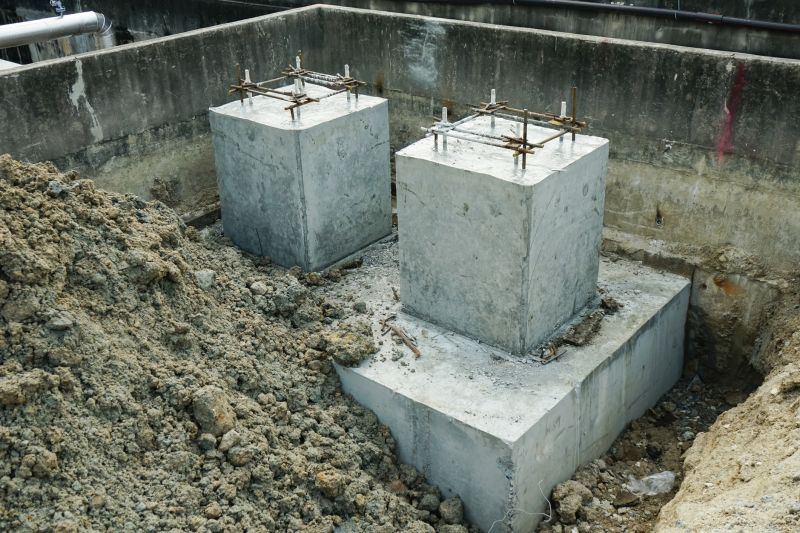
Supporting a sunken foundation.
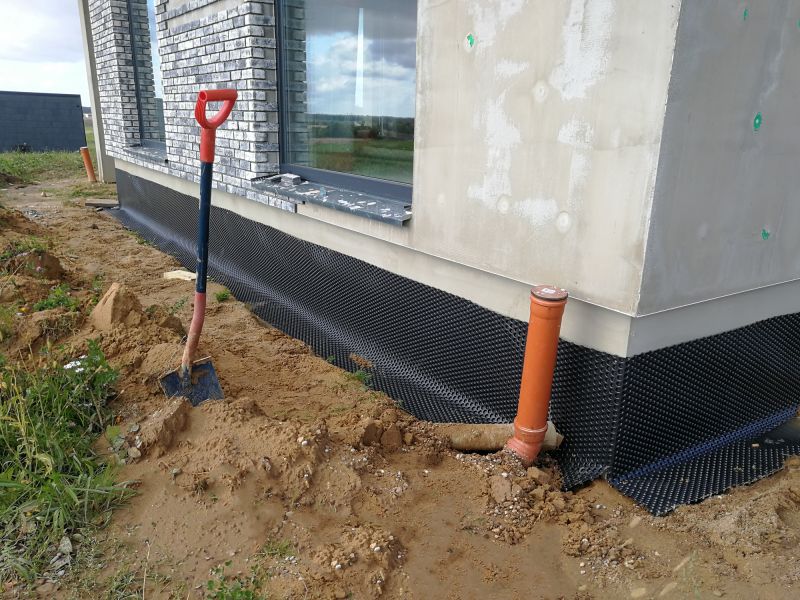
Ensuring proper water flow to prevent future damage.
Interested property owners in Lisle, IL, are encouraged to contact for a comprehensive assessment of foundation needs. Proper timing and effective repair solutions can safeguard the structural integrity of a building. Filling out the contact form provides access to expert evaluations and tailored repair options to address foundation concerns promptly.